Explore the World
Inspiration for Your Next Trip
Mogoșoaia Palace – History, Architecture and Visitor Guide
Just about 17 kilometers from Bucharest, in a setting where architecture, water and gardens come together, lies one of the most beautiful destinations for a day trip from the Romanian capital: Mogoșoaia Brâncovenesc Palace.
Built by Constantin Brâncoveanu for his son Ștefan, the palace is now the centerpiece of a historic estate that includes several buildings, gardens, a park, a church and cultural spaces. Mogoșoaia is therefore much more than a tourist attraction: it is a place where history and architecture can be combined with a relaxing walk surrounded by nature.
If you are planning a trip near Bucharest, here is everything you should know before visiting Mogoșoaia.Where Is Mogoșoaia Palace and How Do You Get There?
Mogoșoaia Brâncovenesc Palace is located at 1 Valea Parcului Street, Mogoșoaia, Ilfov County, approximately 17 kilometers north of Bucharest.
The palace can be reached from Bucharest in the direction of Mogoșoaia, via DN1A. Because of its short distance from the capital, it is suitable both for a few-hour visit and for a full day trip in the northern part of Bucharest.
The History of Mogoșoaia Palace
The story of Mogoșoaia began before the palace itself was built. In 1681, Constantin Brâncoveanu purchased the village of Mogoșoaia and the nearby pond. A few years later, in 1688, he built the Church of Saint George, which still stands today as part of the historic estate.
The defining moment came in 1702, when Constantin Brâncoveanu built the palace for his son Ștefan. Around the palace, an entire estate gradually developed, including enclosure walls, a gate tower, the Cuhnia, additional buildings and gardens. The paintings in the Great Dining Hall, known as Sala Spătăriei Mari, date from 1704.
The palace's history was far from peaceful. Following the death of Constantin Brâncoveanu and his sons in 1714, the palace was stripped of its movable possessions and turned into an inn. In 1770, during the Russo-Turkish conflicts, Mogoșoaia was severely damaged, while in 1821 a fire caused further destruction. Several stages of repair and transformation followed during the decades that came after.
During the 19th century, the estate became associated with the Bibescu family, and work on the property continued.
One of the most important figures in the palace's modern history was Martha Bibescu, wife of Prince George-Valentin Bibescu. During the first decades of the 20th century, she became deeply involved in the restoration of the old Brâncovenesc palace and played a decisive role in shaping the appearance of Mogoșoaia that visitors can admire today.The Architecture of Mogoșoaia Palace
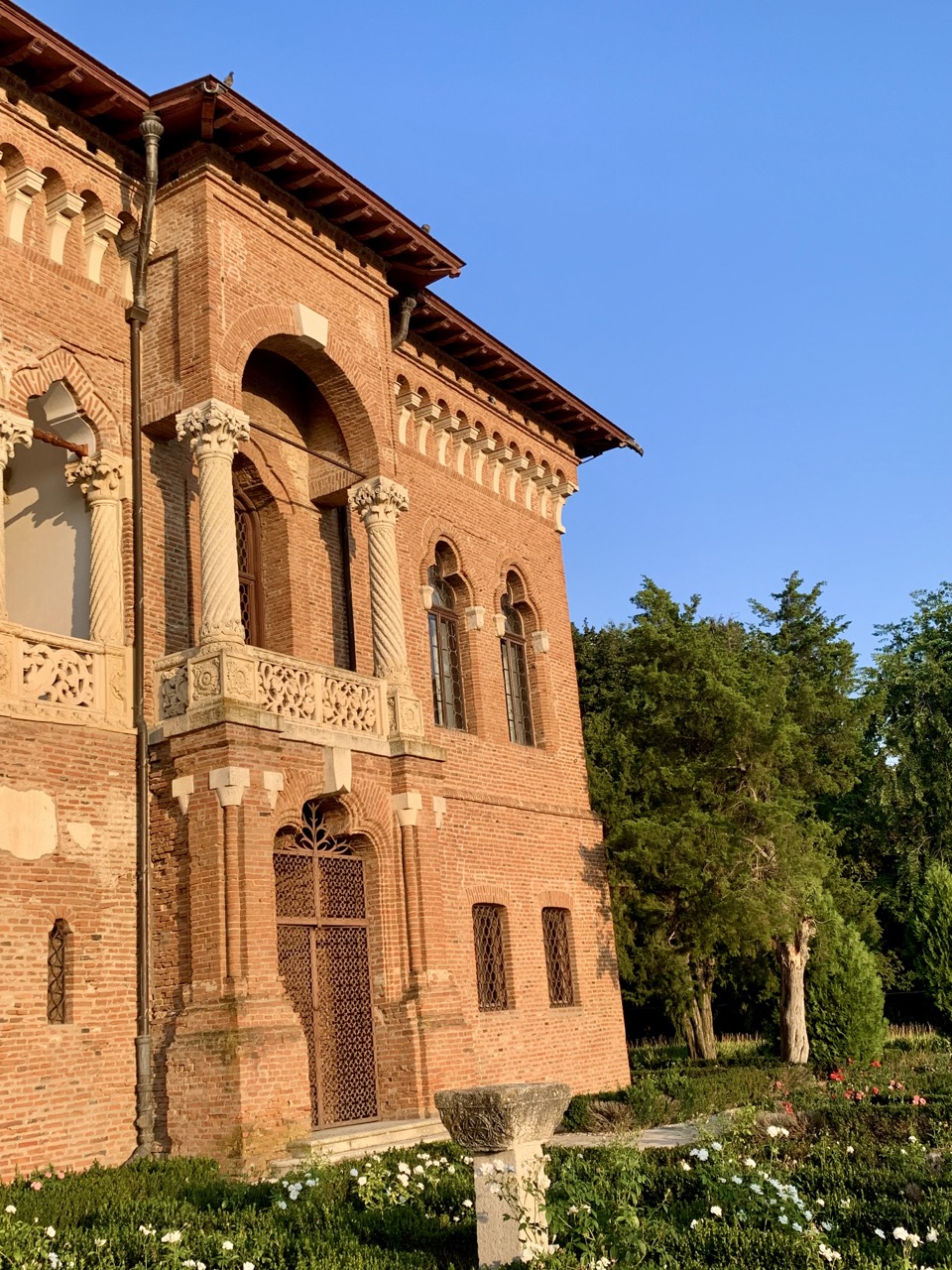
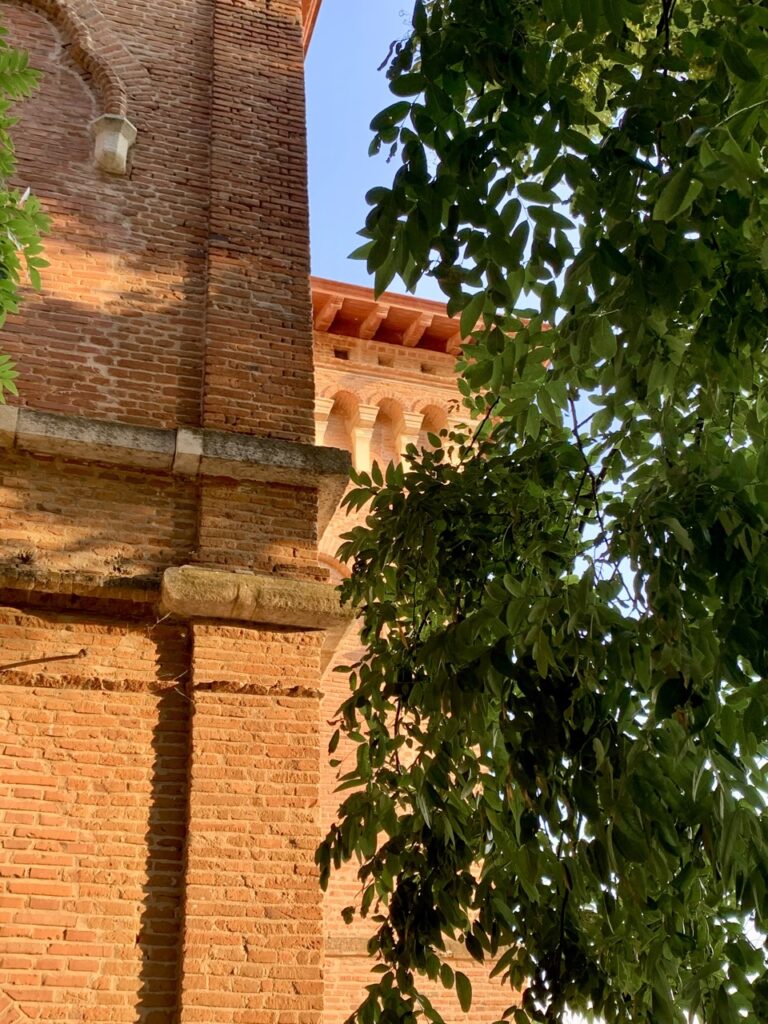
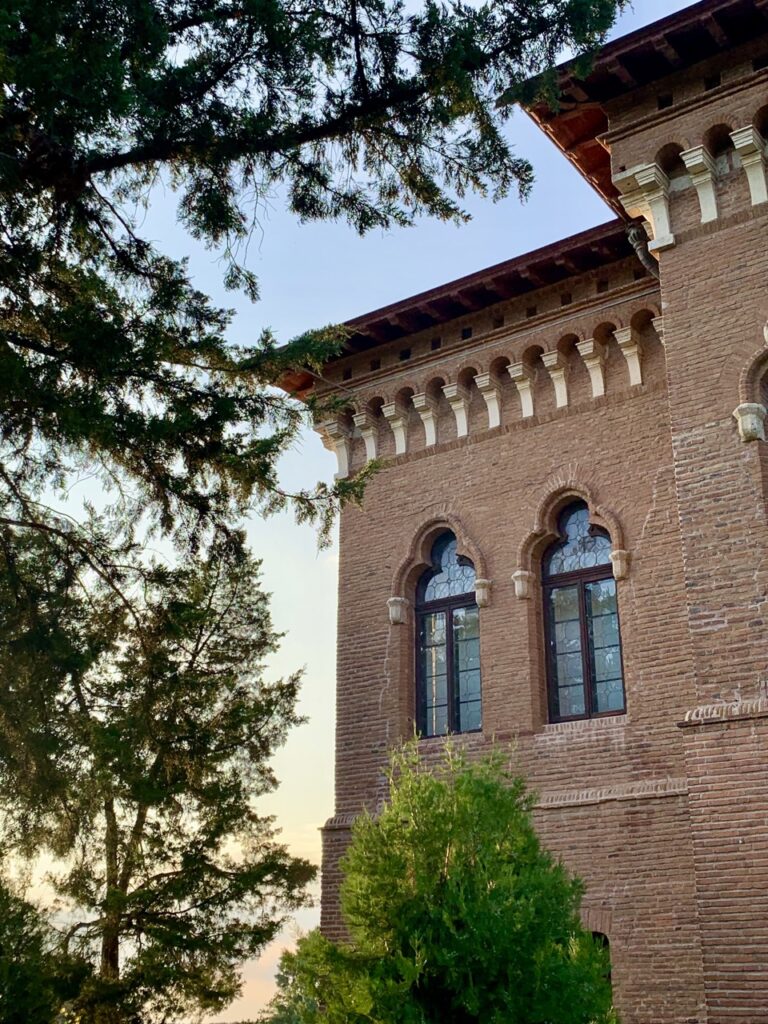
Mogoșoaia is one of the most representative examples of Brâncovenesc architecture.
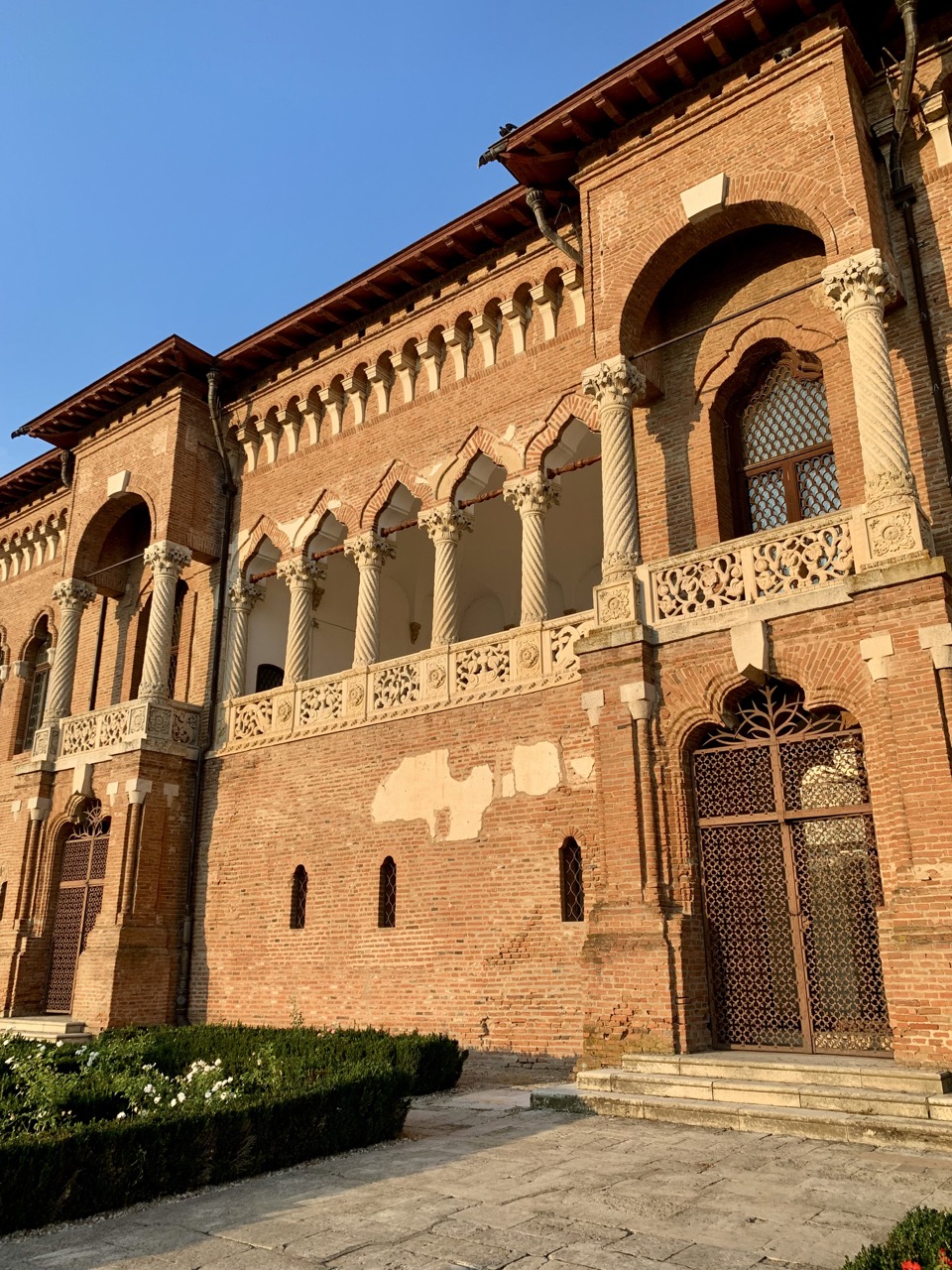
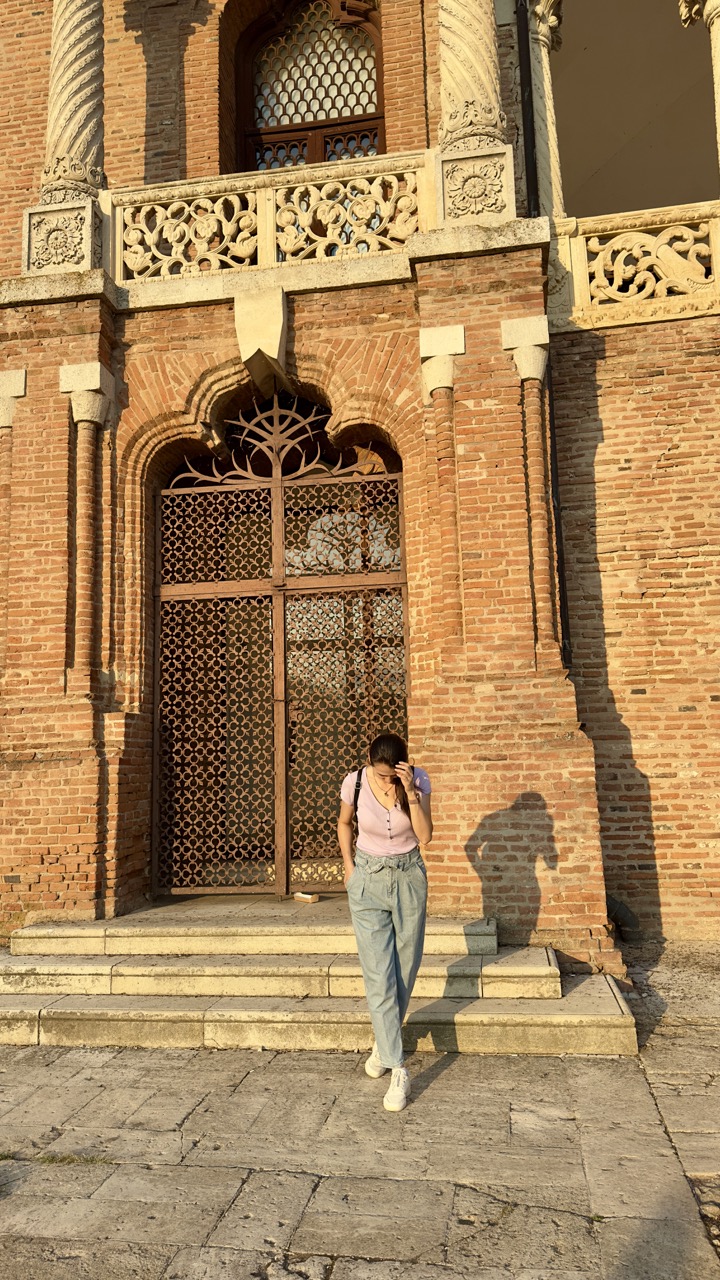
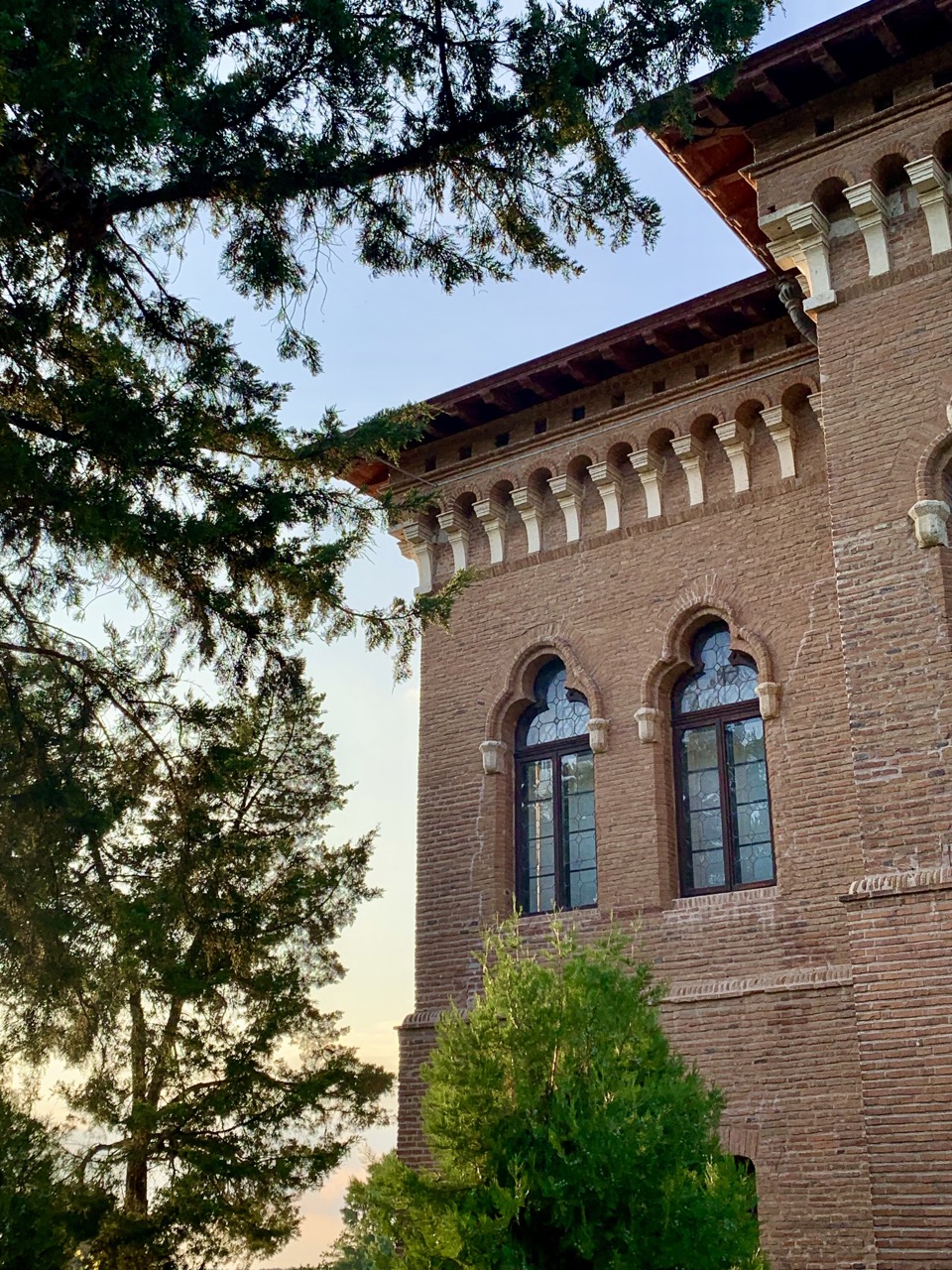
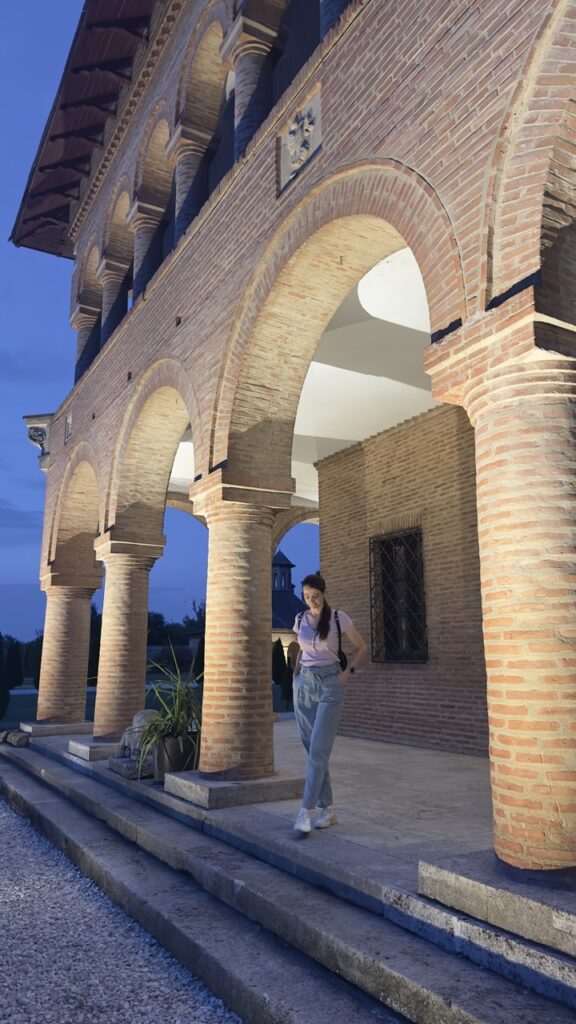
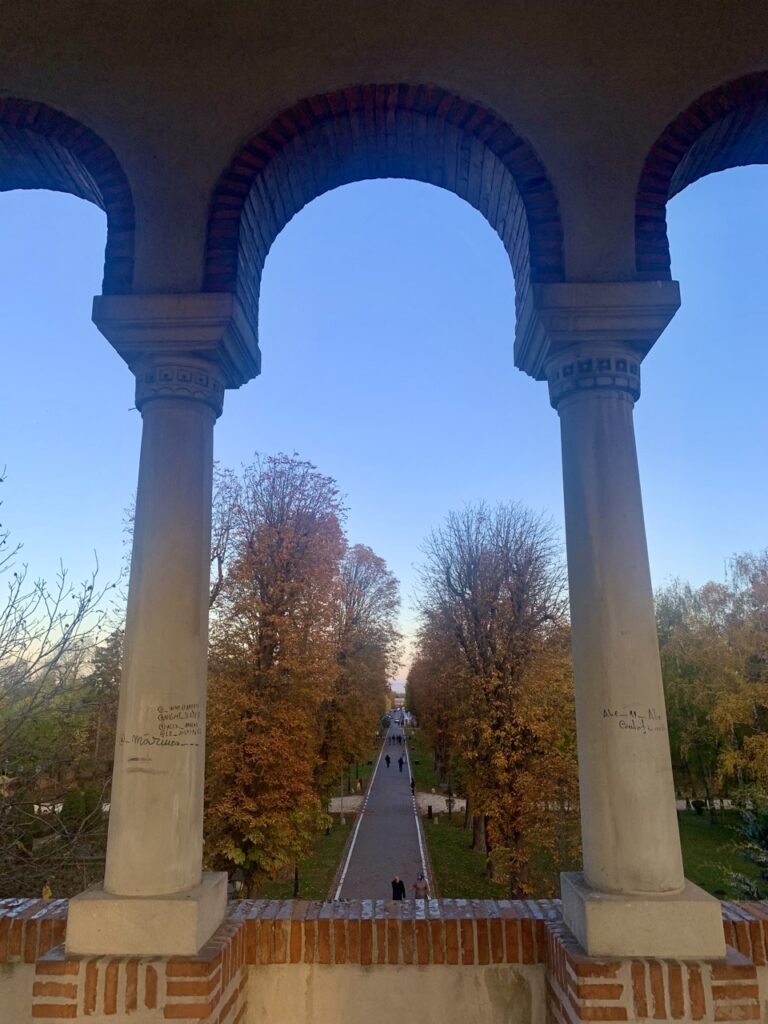
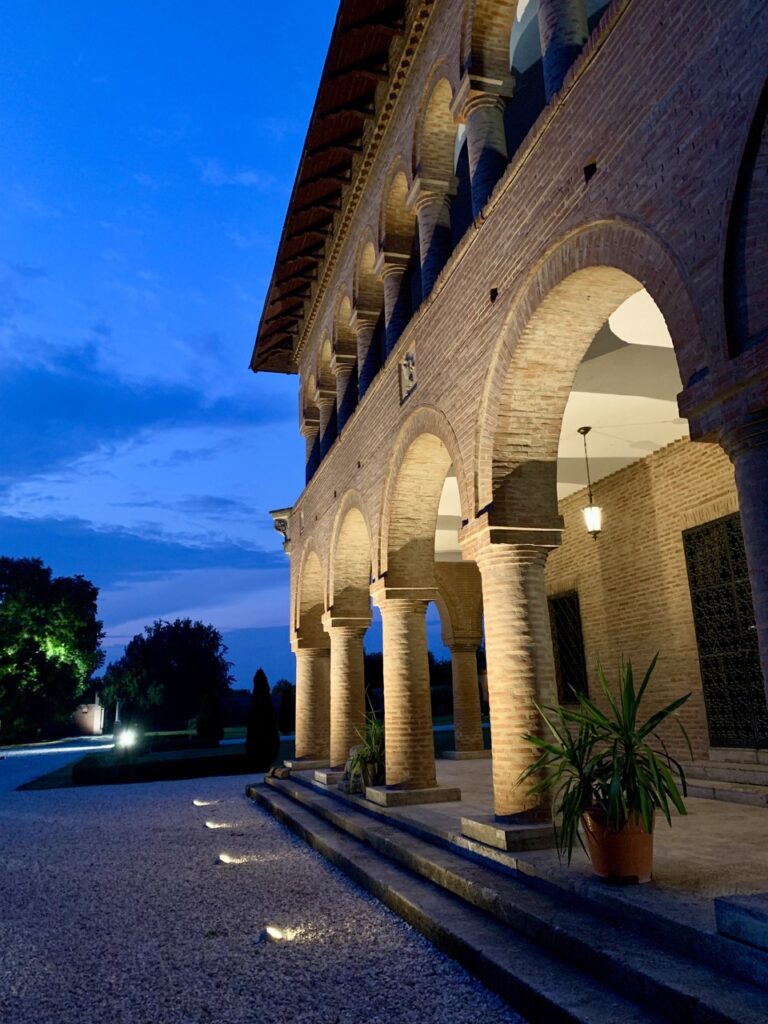
The palace combines elements of traditional Wallachian architecture with Oriental, Baroque and Renaissance influences. Its loggias, pavilion, columns, monumental stairways and carved balustrades create the elegant appearance for which the estate is known.
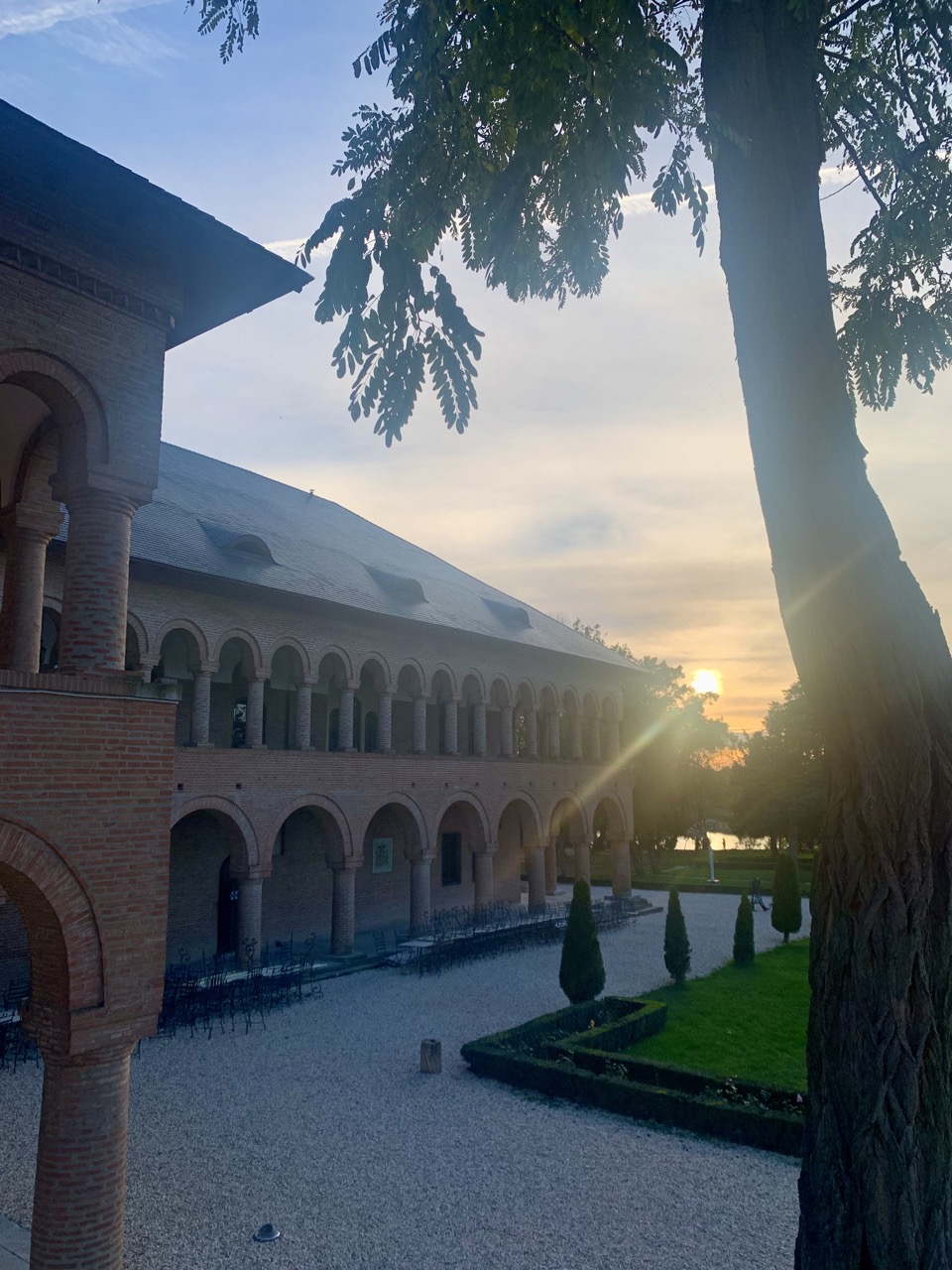
The palace has a rectangular layout and two levels. The lakeside façade is dominated by its loggia, while the pavilion on the courtyard side provides another distinctive architectural element.
One of the most beautiful aspects of Mogoșoaia is the relationship between the palace and its surroundings. Water, gardens and historic buildings come together to create a setting that can be admired from many different viewpoints.
What Should You See at Mogoșoaia Palace?

Mogoșoaia is much more than the palace itself. For a complete visit, take some time to explore the entire estate.
1. Mogoșoaia Palace
The palace is the centerpiece of the visit and the place where you can admire Brâncovenesc architecture, the loggia, the pavilion and the museum spaces.
Today, the palace houses the Museum of Courtly Tradition, established in 2000. It includes the Liana and Dan Nasta donation, a comparative art collection, as well as temporary exhibitions organized throughout the year.
2. Saint George Church
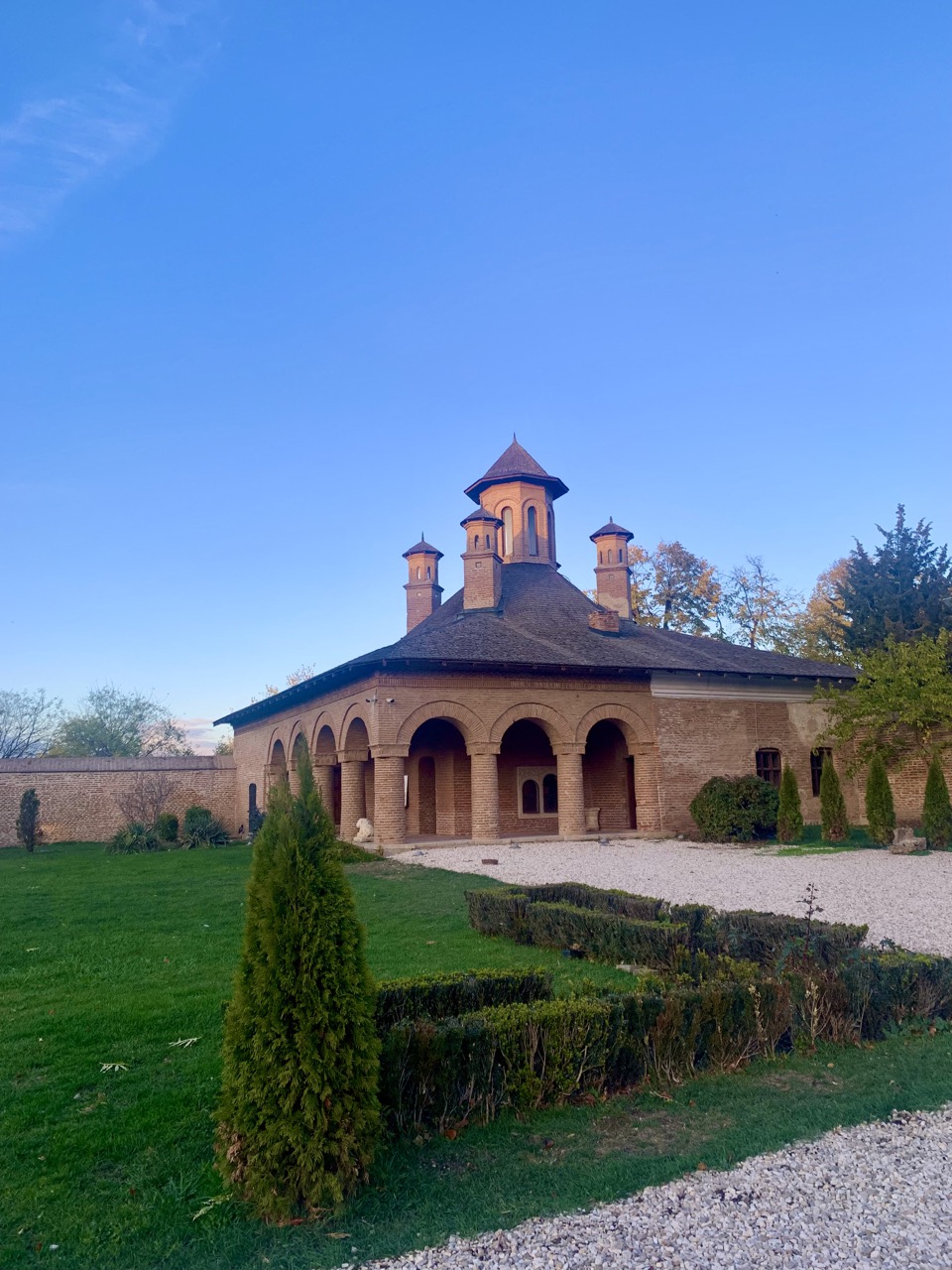
Built by Constantin Brâncoveanu in 1688, the church is one of the most important monuments within the estate and predates the palace by approximately 14 years.
It is well worth including in your itinerary, especially if you are interested in history, art and religious architecture.
3. The Cuhnia
The Cuhnia was the former kitchen of the princely residence and is part of the historic Mogoșoaia estate.
Today, the building is used for exhibitions and cultural activities.
4. The Gate Tower
The gate tower is part of the old enclosure system of the estate and is one of the important elements of the Brâncovenesc complex.
The entrance area effectively marks the transition into the historic courtyard of the palace.
5. The Ice House
The Ghețăria, or Ice House, was once used to store ice and is part of the historic buildings of the Mogoșoaia estate.
It is one of the lesser-known details of the complex, but it offers an interesting glimpse into how a large aristocratic residence functioned in the past.
6. Villa d’Elchingen
Villa d’Elchingen is another historic building within the estate. It was reconstructed between 1927 and 1936 and is currently used for conferences and residential purposes.
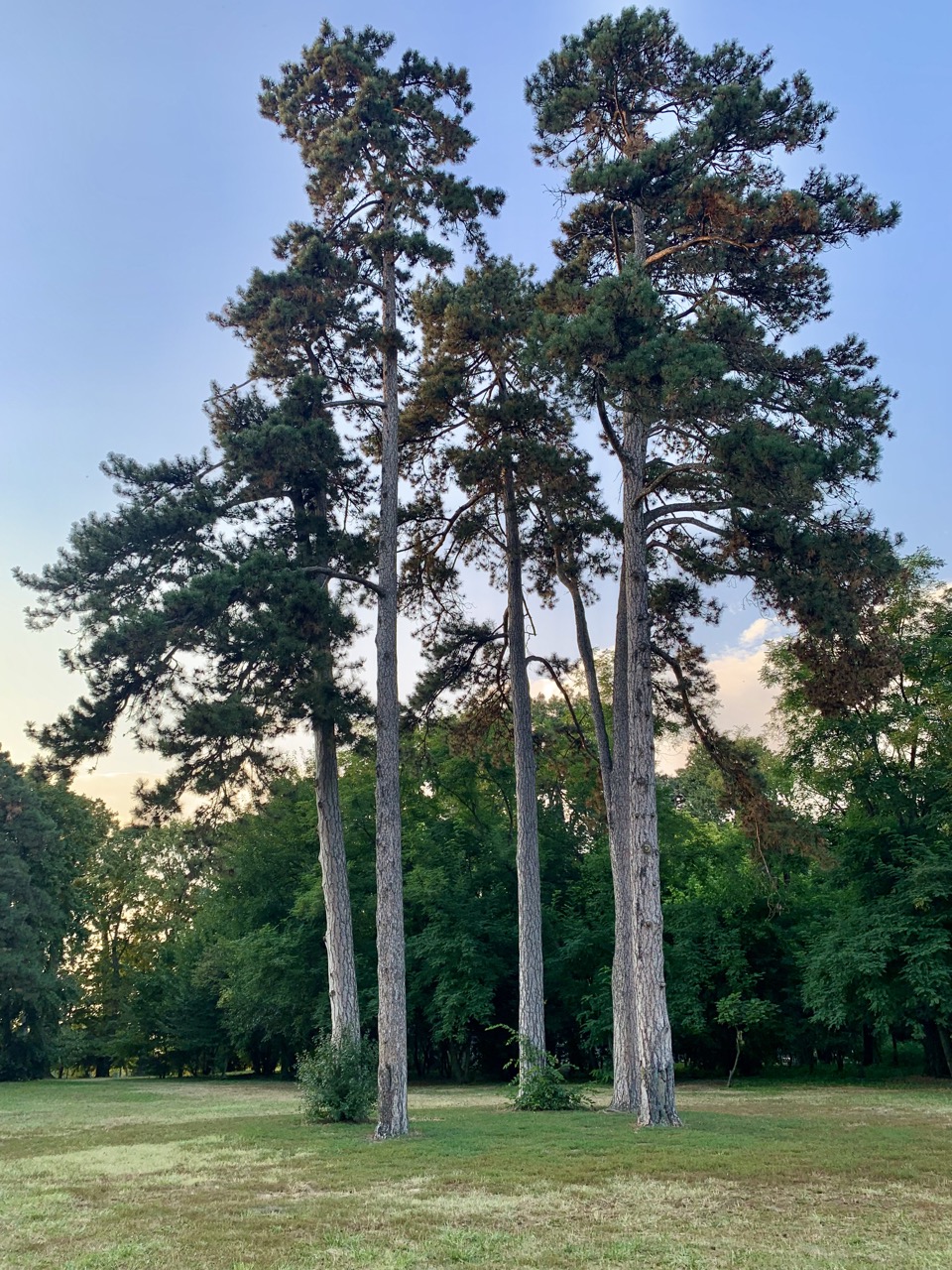
7. The Park and Gardens
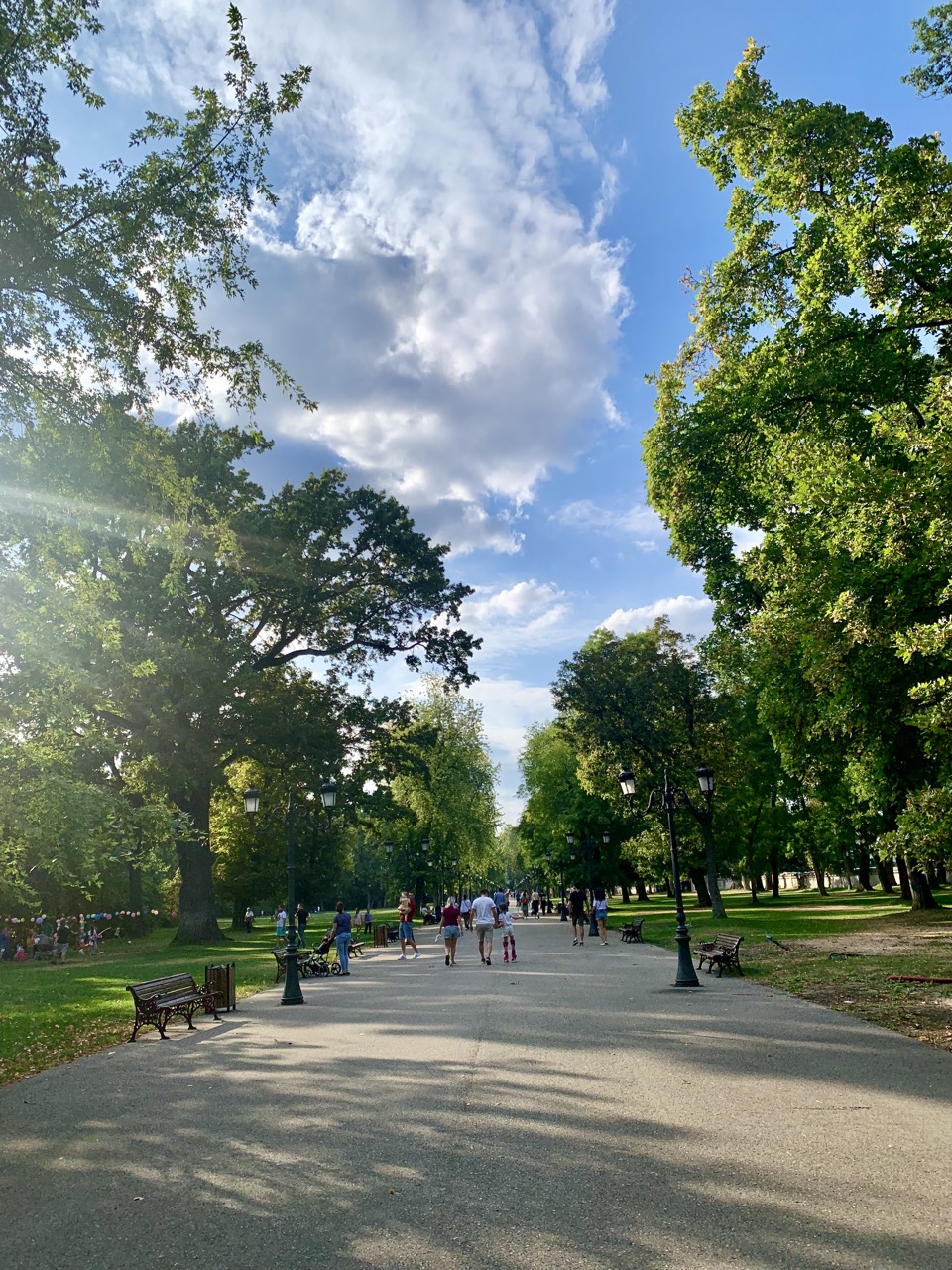
For many visitors, the park is one of the main reasons why Mogoșoaia is worth visiting.
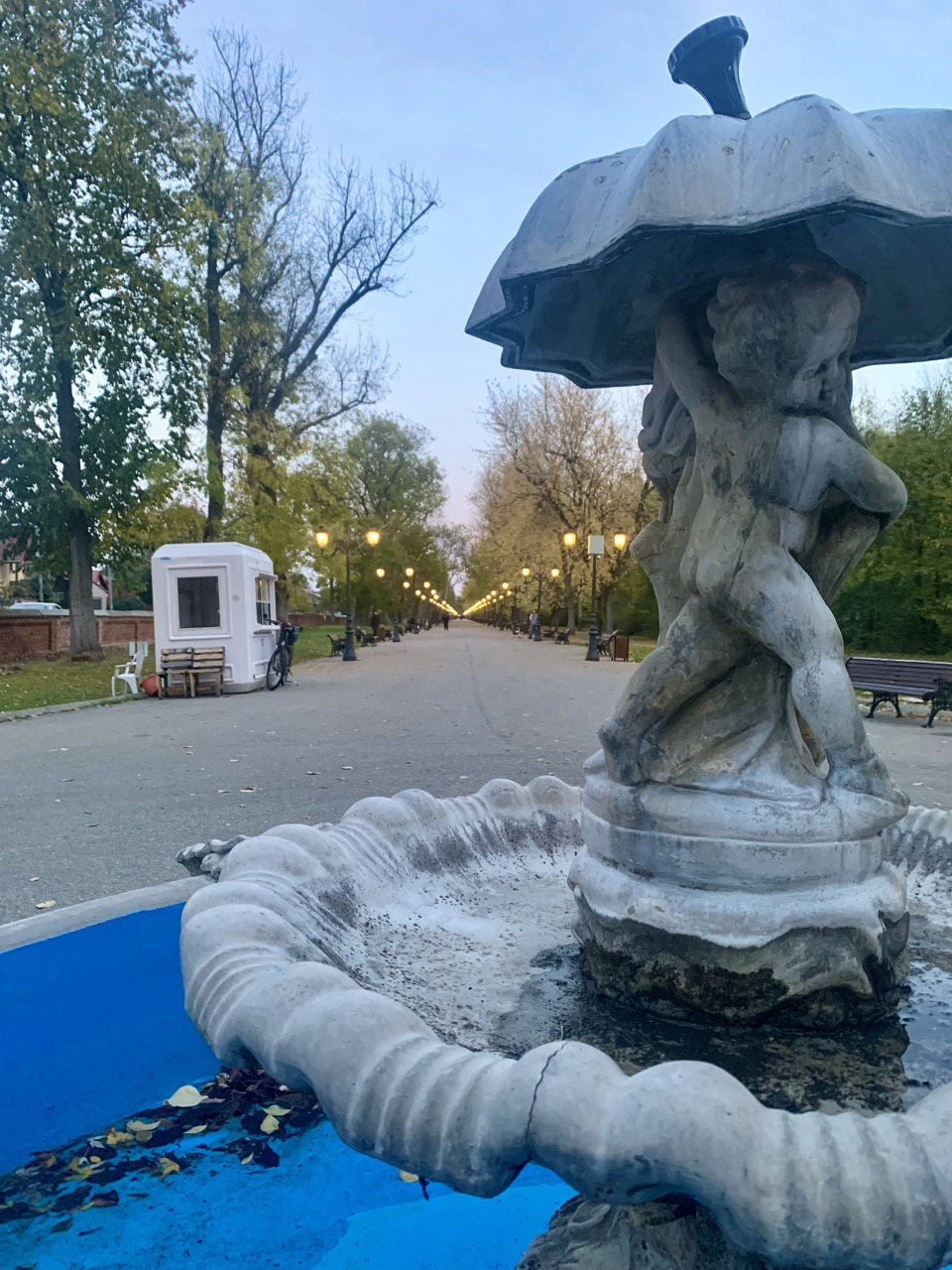
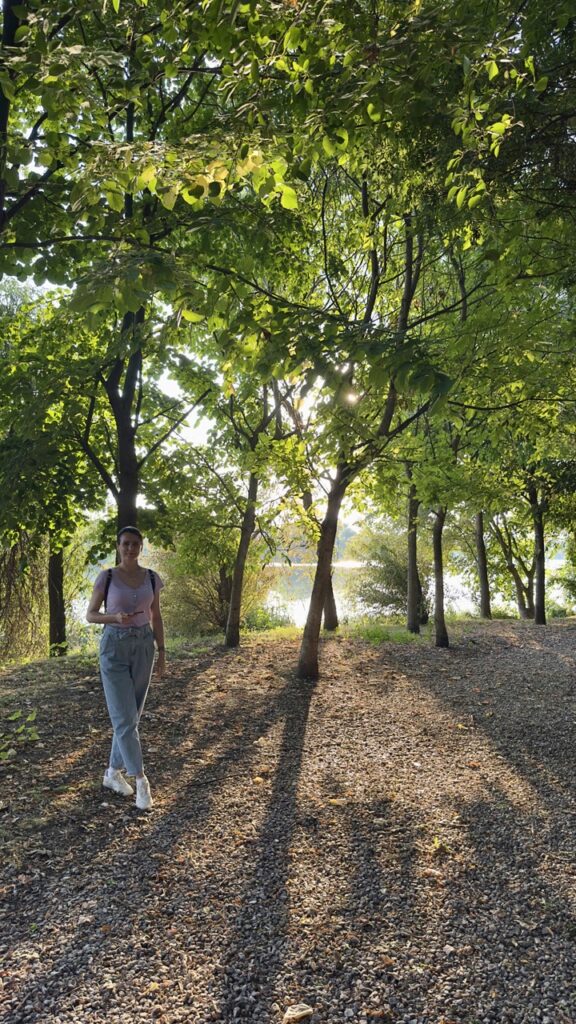
The English-style park and gardens were developed during Martha Bibescu’s time, between 1921 and 1922, while the area overlooking the lake offers some of the most beautiful views of the palace.
This is also the perfect place to slow down and enjoy the surroundings. Mogoșoaia is one of those destinations where the experience is not simply about checking attractions off a list.
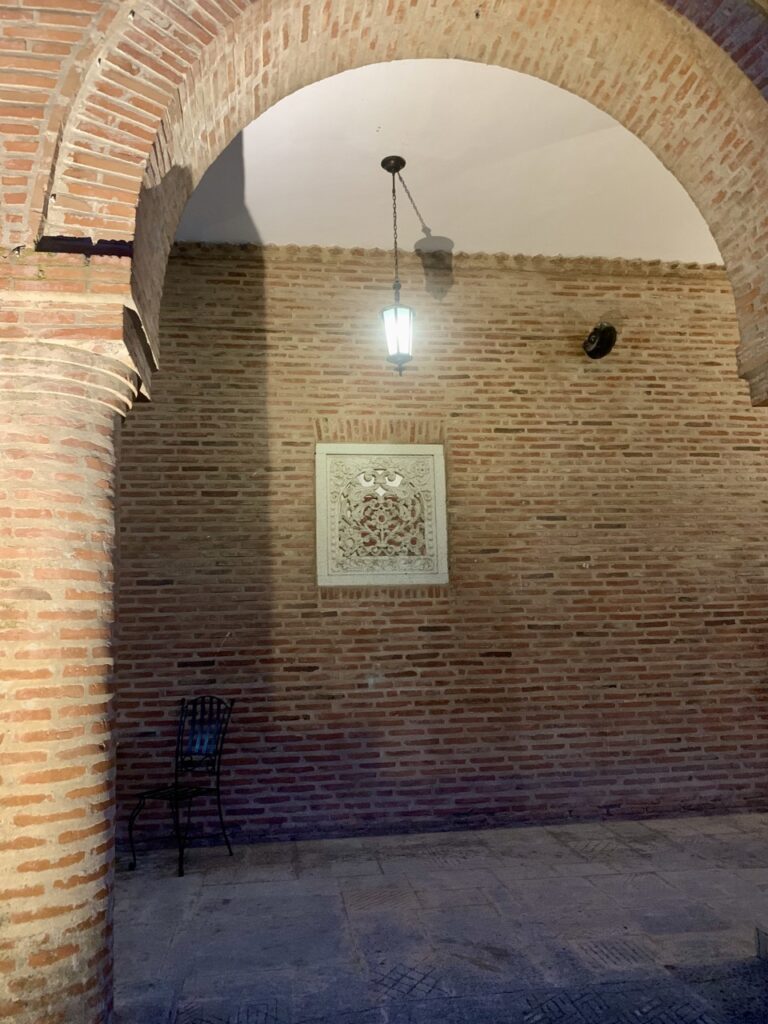
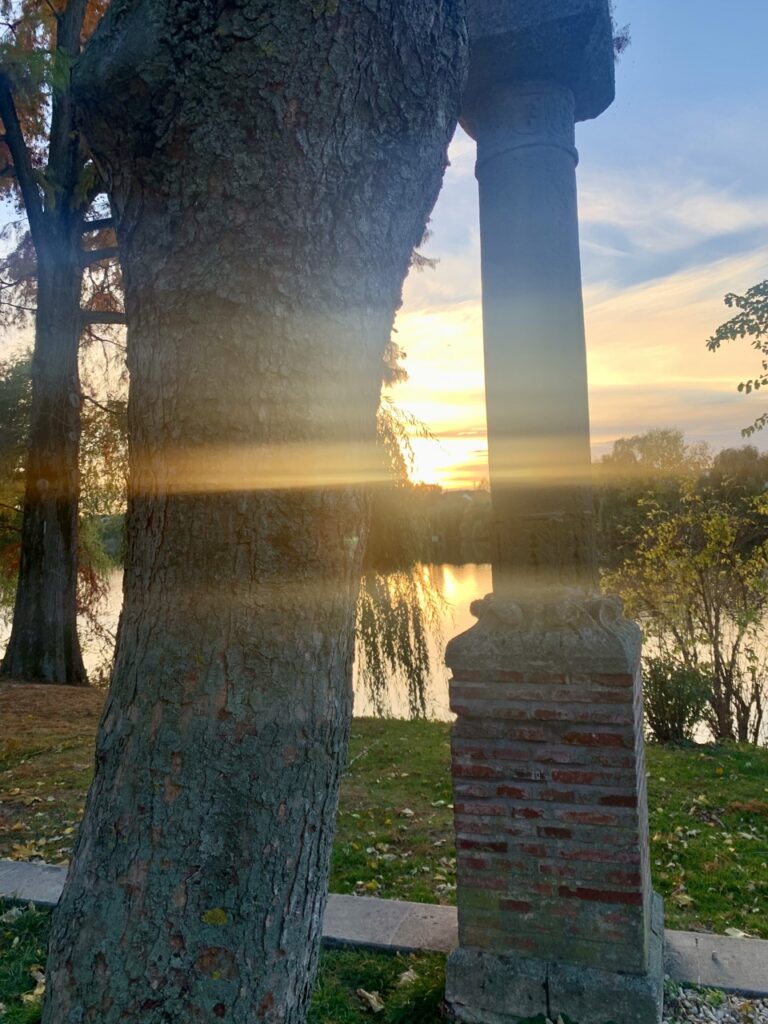
Mogoșoaia Today
Today, the estate functions as a historic, cultural, tourist and leisure complex, administered by the Cultural Center “Brâncovenesc Palaces at the Gates of Bucharest.”
In addition to its historic heritage, the complex hosts temporary exhibitions, cultural events and various activities for visitors.
For travelers, this means that a visit to Mogoșoaia can offer something different depending on when you go. You may come for the architecture and history, while at another time you may also discover a temporary exhibition or cultural event taking place within the estate.When Is the Best Time to Visit Mogoșoaia?
Spring
Spring is one of the most pleasant times to walk through the park. The gardens and vegetation provide a beautiful setting, making it an excellent season for photography.
Summer
Long summer days allow you to combine the indoor visit with a longer walk through the estate and along the lakeside.
Autumn
The autumn colors create a spectacular contrast with the palace's architecture. For photographers, autumn can be one of the most rewarding seasons to visit.
Winter
If you are lucky enough to visit after a snowfall, Mogoșoaia takes on a completely different atmosphere, with the palace architecture becoming the dominant element of the landscape.
For a first visit, spring and autumn are excellent choices if you want to enjoy both the monument and the surrounding park.How Much Time Do You Need for a Visit?
For a regular visit, I recommend allowing around 2–3 hours.
This gives you enough time to see the palace, explore the main historic buildings, visit the church and take a walk through the park.
If you are particularly interested in photography, history or architecture, you may want to allow more time.
There is no need to rush. Part of the Mogoșoaia experience is simply walking between the different attractions and enjoying the setting.
Practical Information for Visitors

Address: 1 Valea Parcului Street, Mogoșoaia, Ilfov County, Romania.
Opening Hours
October 1 – April 30
	• Tuesday – Sunday: 9:00 AM – 5:00 PM
	• Last admission: 4:30 PM
May 1 – September 30
	• Tuesday – Sunday: 10:00 AM – 6:00 PM
	• Last admission: 5:30 PM
Monday: Closed.
Admission Fees
	• Adults: 15 RON
	• Students, pupils and pensioners: 8 RON
	• Preschool children: Free
	• Visitors with disabilities: Free
	• Indoor photography: 20 RON/person
	• Romanian-language guided tour: 10 RON/person
	• English/Spanish guided tour: 15 RON/person
	• Family photo session: 500 RON
	• Parking: 10 RON/vehicle/day
For reservations and additional information, the institution provides the phone number +40 786 705 985 and the email address culturapb@palatebrancovenesti.ro.
	Important: Opening hours and admission fees may change, particularly during special events or holidays. It is recommended to check the official information before your visit.
A World Unveiled: Stories Through the Lens
Journey through breathtaking moments captured across the globe.

A journey of a thousand miles begins with a single step!
Let’s start our adventure!